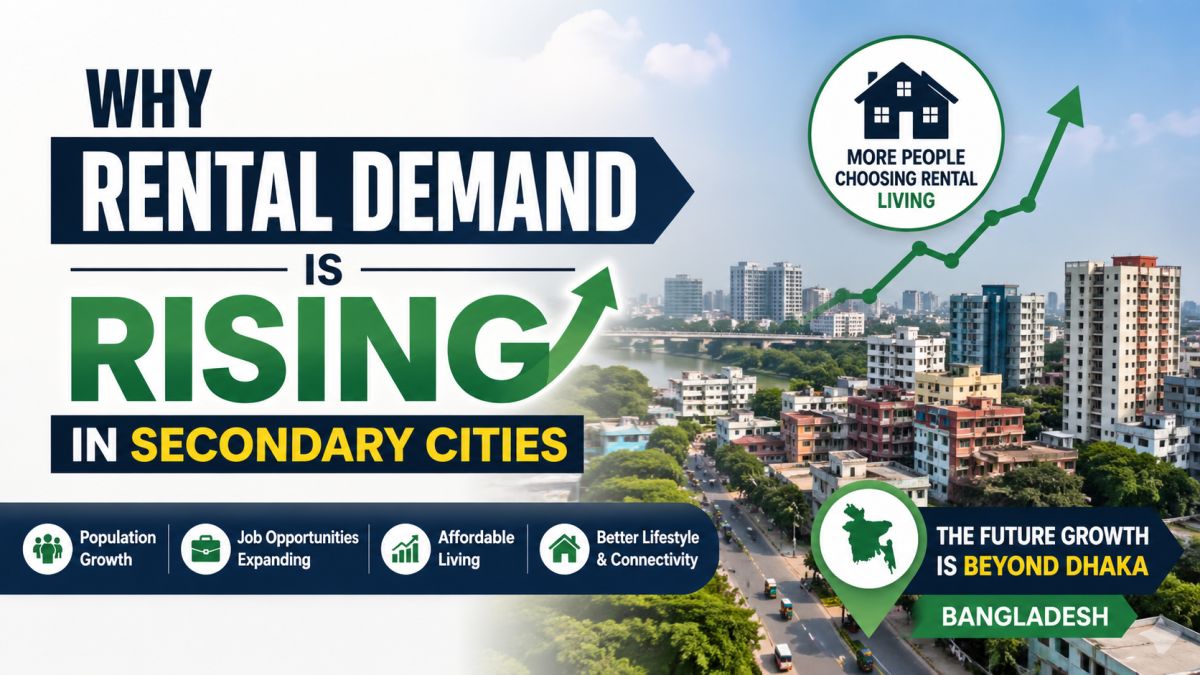
For decades, the rental market in Bangladesh was almost synonymous with Dhaka. However, in 2026, a major shift is occurring. Secondary cities—such as Gazipur, Narayanganj, Comilla, and Bogra—are experiencing a surge in rental demand that is outpacing the capital in percentage growth. This "decentralization of demand" is driven by a combination of infrastructure breakthroughs, economic shifts, and a rising middle class seeking quality living outside the congested megacity.
1. The "Padma Bridge" and Connectivity Effect
The long-term impact of the Padma Bridge and the expansion of the National Highways has fundamentally changed the geography of the rental market.
- Commutable Hubs: Cities like Comilla and Narayanganj are no longer just distant towns; they have become viable "satellite hubs." Professionals are increasingly renting in these cities where they can get larger, modern apartments for 40% less than Dhaka prices while staying connected via improved road networks.
- Southwest Surge: The connectivity to the southwest has turned cities like Faridpur and Jessore into emerging rental hotspots as trade and industrial activity in these regions increase.
2. Industrial Decentralization
In 2026, large-scale manufacturing and IT firms are moving away from the "Dhaka-centric" model to avoid high operational costs and traffic bottlenecks.
- Economic Zones: The establishment of Special Economic Zones (SEZs) in areas like Mirsarai and Mongla has created a massive need for residential rentals for engineers, managers, and skilled laborers.
- Corporate Housing: Many companies are now seeking long-term block rentals for their employees in secondary cities, leading to a steady, high-occupancy market for local landlords.
3. Better Quality of Life (The "Green" Factor)
The extreme congestion and pollution levels in Dhaka have sparked a migration trend toward "Tier-2" cities where life is slower but modern amenities are now available.
- Organized Living: Developers are now building gated communities and high-rise apartments in cities like Bogra and Rajshahi. These projects offer the same "Smart Home" features found in Gulshan—such as CC cameras, elevators, and backup generators—but with cleaner air and less noise.
- Educational Hubs: Cities with strong educational reputations, such as Mymensingh and Rajshahi, continue to see rising demand from students and academic professionals seeking secure, long-term rentals.
4. Rise of the Regional Middle Class
Disposable income is no longer concentrated solely in the capital. The growth of regional businesses and a booming agricultural sector have empowered a new class of renters in secondary cities.
- Aspirational Renting: Younger generations in these cities are moving out of ancestral homes and into modern apartments, driving the demand for 2-BHK and 3-BHK units with contemporary fittings.
- NRB Investments: Non-Resident Bangladeshis (NRBs) are increasingly investing in property in their home districts, leading to a higher supply of premium rental units in regional centers.
Comparison: Dhaka vs. Secondary Cities (2026)
| Feature | Dhaka (Primary) | Secondary Cities (Tier-2) |
|---|---|---|
| Rent Growth Rate | 5-8% Annually | 12-15% Annually |
| Yield for Owners | 3-4% | 5-7% |
| Main Driver | Metro Rail / Service Sector | Industrial Growth / Connectivity |
| Availability | Highly Saturated | Expanding Rapidly |
As the rental landscape expands beyond the capital, staying informed is key. Whether you are looking for a flat in Dhaka or a commercial space in Comilla, Varadibo.com is your trusted partner for verified listings across all of Bangladesh.