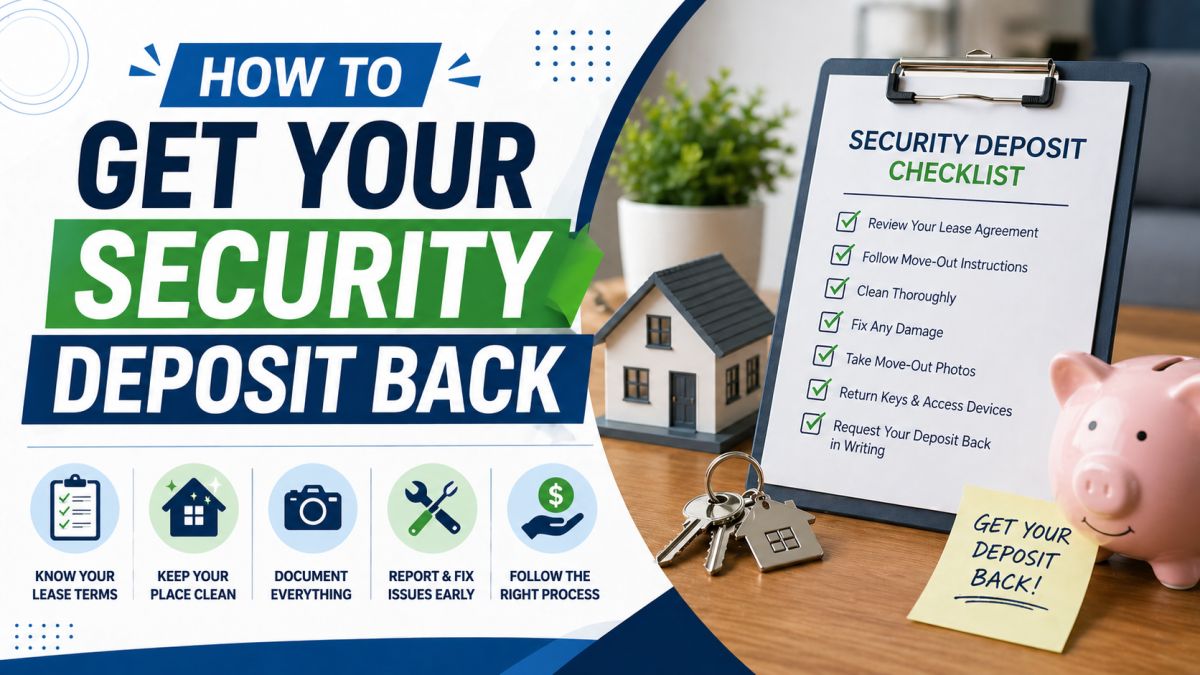
In Bangladesh, the security deposit (often called "advance money") is intended to cover unpaid bills or property damage beyond normal wear and tear. However, getting this money back can sometimes be a challenge. With the 2026 DNCC (Dhaka North City Corporation) guidelines now in effect, tenants have stronger legal standing to reclaim their deposits. Here is how to ensure a smooth refund process.
1. Know the Legal Limit (2026 Update)
Before moving in, it is crucial to know that the law now limits how much a landlord can hold. Under the latest directives:
- The 3-Month Cap: Landlords are strictly prohibited from taking more than one to three months’ rent as a security deposit. If you paid more, you have a legal basis to request an adjustment or refund of the excess.
- Written Proof: Ensure your rental agreement clearly states the exact amount paid and the conditions for its return. Without a written contract, recovering the deposit through legal channels becomes much more difficult.
2. The Move-Out Inventory (Your Best Defense)
The biggest reason landlords withhold deposits is "damage to the property." To prevent unfair deductions:
- Photo Evidence: On the day you vacate, take high-quality photos and videos of every room, including walls, flooring, and appliances. This proves you left the flat in good condition.
- Normal Wear and Tear: Legally, you are not responsible for "normal wear and tear" (e.g., fading paint or minor scuffs on the floor). Deductions should only be made for significant damage caused by negligence.
- Joint Inspection: Ask the landlord to walk through the flat with you before you hand over the keys. If they agree the place is fine, try to get that acknowledgment in writing or via a recorded message.
3. Clear All Outstanding Bills
A landlord has a legitimate right to deduct unpaid utility costs from your deposit. To ensure a full refund:
- Final Receipts: Collect and show the final paid receipts for electricity, gas, water, and internet. If you use a prepaid meter, show the current balance.
- Service Charges: Ensure all building "service charges" or society fees are cleared up to your final day of occupancy.
4. Formal Notice and Timing
Compliance with the notice period is essential for a valid refund claim.
- Two-Month Notice: Per the 2026 guidelines, both parties must provide a two-month written notice to terminate the contract. If you leave without proper notice, the landlord may legally deduct the rent for those months from your deposit.
- The "Concurrent Performance" Strategy: If possible, arrange for the deposit refund to happen at the exact same time you hand over the keys.
5. What to Do if the Landlord Refuses to Pay
If you have followed all rules and the landlord still refuses to return your money:
- Legal Notice: The first formal step is to have an advocate send a Legal Notice. This is often enough to resolve the issue as it warns the landlord of impending litigation.
- Zonal Executive Officer (ZEO): Under the new DNCC rules, you can report deposit disputes to your region's ZEO for mediation.
- Rent Controller: You can file a formal complaint with the government-appointed Rent Controller under the Premises Rent Control Act, 1991.
Summary Checklist for Tenants
| Action Item | Why it Matters |
|---|---|
| Written Notice | Fulfills your 2-month legal obligation. |
| Utility Receipts | Prevents deductions for "unpaid bills." |
| Move-out Photos | Defeats false claims of property damage. |
| ZEO Mediation | A faster alternative to a court case. |
Transparency is the key to a fair rental experience. For verified listings and more tenant resources, visit Varadibo.com, the largest and most trusted To-Let marketplace in Bangladesh.